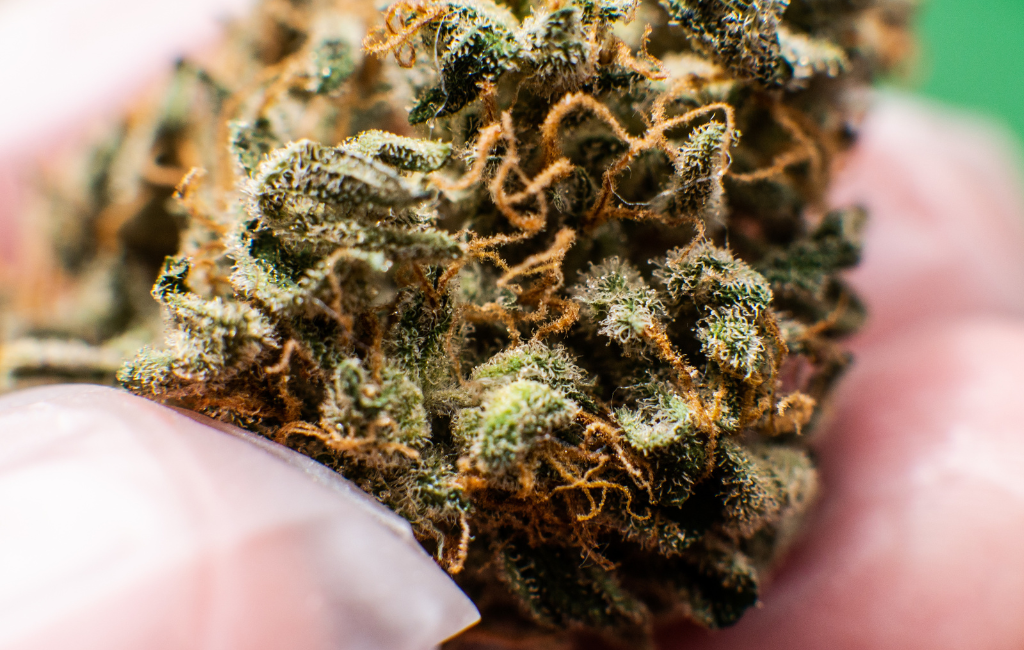
Healing Potential of THCa Flower
The exploration of cannabis and its derivatives has gained significant momentum in recent years. Among the many compounds found in cannabis, THCa (tetrahydrocannabinolic acid) has emerged as a subject of interest for its potential therapeutic benefits. Unlike THC, THCa is non-psychoactive, making it an appealing option for those seeking the medicinal properties of cannabis without the high.
Understanding THCa
THCa is a cannabinoid found in raw and live cannabis plants. It is the precursor to THC, the compound responsible for the psychoactive effects of cannabis. When cannabis is heated through smoking, vaping, or cooking, THCa is converted into THC through a process called decarboxylation. In its raw form, THCa does not produce the intoxicating effects associated with THC.
Potential Health Benefits
Research into the health benefits of THCa is still in its early stages, but preliminary findings suggest several promising applications:
- Anti-inflammatory Properties: THCa has shown potential in reducing inflammation, which could be beneficial for conditions such as arthritis and inflammatory bowel disease.
- Neuroprotective Effects: Studies indicate that THCa may help protect brain cells, offering potential benefits for neurodegenerative diseases like Alzheimer’s and Parkinson’s.
- Antiemetic Properties: THCa may help alleviate nausea and vomiting, making it a potential option for patients undergoing chemotherapy.
- Analgesic Effects: Some research suggests that THCa may have pain-relieving properties, which could be useful for chronic pain management.
Case Studies and Research
Several studies have begun to shed light on the therapeutic potential of THCa. For instance, a study published in the British Journal of Pharmacology highlighted THCa’s anti-inflammatory properties, suggesting its potential in treating inflammatory conditions. Another study in the Journal of Neuroimmune Pharmacology explored THCa’s neuroprotective effects, indicating its promise in safeguarding brain health.
In addition to these studies, anecdotal evidence from patients and healthcare providers supports the potential benefits of THCa. Patients with chronic pain, inflammation, and nausea have reported improvements in their symptoms after using THCa-rich products.
Consumption Methods
THCa can be consumed in various ways, each offering different benefits:
- Raw Consumption: Consuming raw cannabis leaves or flowers in smoothies or salads preserves THCa in its natural form.
- Tinctures and Oils: THCa tinctures and oils provide a convenient way to incorporate THCa into daily routines without the need for smoking or vaping.
- Topicals: THCa-infused creams and balms can be applied directly to the skin for localized relief from pain and inflammation.
Legal Considerations
The legal status of THCa varies by region. In some areas, THCa is considered legal due to its non-psychoactive nature, while in others, it falls under the same regulations as THC. It’s important for consumers to be aware of the laws in their area before purchasing or using THCa products.
Challenges and Future Directions
Despite the promising potential of THCa, several challenges remain. The lack of extensive clinical trials means that much of the evidence is anecdotal or based on preliminary studies. More research is needed to fully understand the therapeutic benefits and potential side effects of THCa.
Looking ahead, increased funding and interest in cannabis research may lead to more comprehensive studies on THCa. As the understanding of this compound grows, it could become a valuable tool in the treatment of various medical conditions.
Conclusion
THCa flower presents an intriguing option for those seeking the medicinal benefits of cannabis without the psychoactive effects. With potential applications in reducing inflammation, protecting brain health, alleviating nausea, and managing pain, THCa holds promise as a therapeutic agent. While more research is needed to fully understand its benefits and limitations, the current findings offer a glimpse into the healing potential of this cannabinoid. As interest in cannabis-based therapies continues to grow, THCa may play an increasingly important role in the future of medicine.